Pet Waste Removal Services in South Denver Metro

Author name: Happy Scoop Team

Uncategorised

Seasonal Dog Poop Cleanup: Tips for Each Season

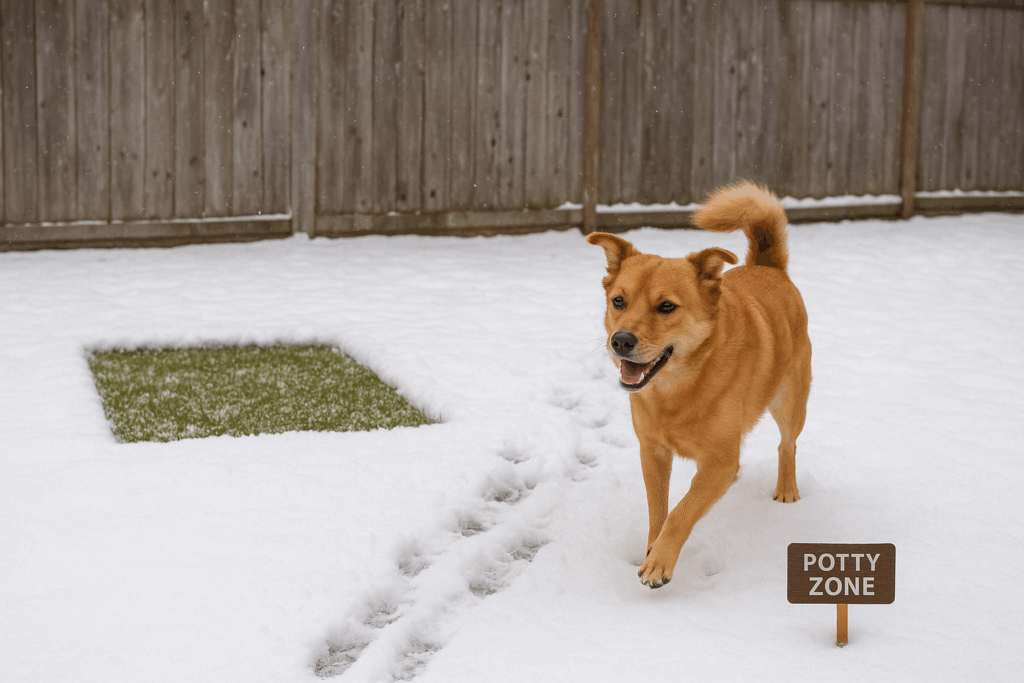
Seasonal Dog Poop Cleanup: Tips for Each Season Introduction Seasonal dog poop cleanup is more important than most pet owners realize. Each season in Colorado brings new challenges—from frozen piles hidden under snow to summer heat that makes odors worse. If left unattended, pet waste not only damages lawns but also puts families and pets at risk. In this guide, we’ll explore seasonal cleanup strategies for dog owners in Centennial, Parker, Aurora, Highlands Ranch, and across the Denver Metro Area. With professional help from Happy Scoop, you’ll enjoy a yard that’s fresh and safe every day of the year. Winter: Managing Waste in Snow and Cold During Denver winters, snow often hides dog poop until it piles up. When spring arrives, that “poopsicle” problem creates a major mess. To prevent winter buildup: Scoop frequently, even when it’s cold. Mark a designated potty zone to make cleanup easier. Hire a professional service like Happy Scoop for reliable year-round care. Spring: Fresh Starts and Yard Recovery As snow melts, leftover dog poop emerges, leaving lawns vulnerable to bacteria and brown patches. Spring cleanup is crucial for restoring your yard. Tips for spring: Do a deep cleanup to clear winter’s waste. Aerate and fertilize your lawn to repair damage. Use pet-safe deodorizers to freshen the yard. Wow Stat: According to the EPA, one gram of dog poop can contain over 23 million bacteria—making thorough spring cleanup vital for family safety. Summer: Beating the Heat and Odors Hot Colorado summers make odors stronger and increase the risk of parasites. Waste left in the yard can dry out but still harbor harmful bacteria. Tips for summer cleanup: Scoop daily or schedule twice-weekly services for multi-dog households. Keep water sources clean and far from waste areas. Use shade to encourage your dog to use specific zones. Fall: Prepping for Colder Months Fall is the season to prepare your yard before winter. Leaves can hide poop, making it harder to spot and clean later. Tips for fall: Stay consistent with cleanup despite falling leaves. Do a deep clean before the first snowfall. Schedule ongoing winter service with Happy Scoop. For more seasonal tips, check out the Happy Scoop blog, where we share expert insights for Denver-area dog owners. FAQ: Seasonal Dog Poop Cleanup How often should I scoop in winter? At least once a week, even in snow. Regular service prevents waste from piling up and creating a huge spring mess. Why does dog poop smell worse in summer? Heat speeds up decomposition, releasing strong odors and attracting flies. Frequent cleanup controls both problems. Can pet waste damage grass year-round? Yes. Dog poop is acidic and burns grass in every season, especially if it’s not removed quickly. Conclusion Seasonal dog poop cleanup is key to keeping your yard fresh, healthy, and safe all year long. From winter’s hidden piles to summer’s strong odors, consistent cleanup prevents long-term problems. Stay fresh in every season—book your cleanup today! PrevPreviousHow to Train Your Dog for Cleaner Yard Habits
Uncategorised

How to Train Your Dog for Cleaner Yard Habits
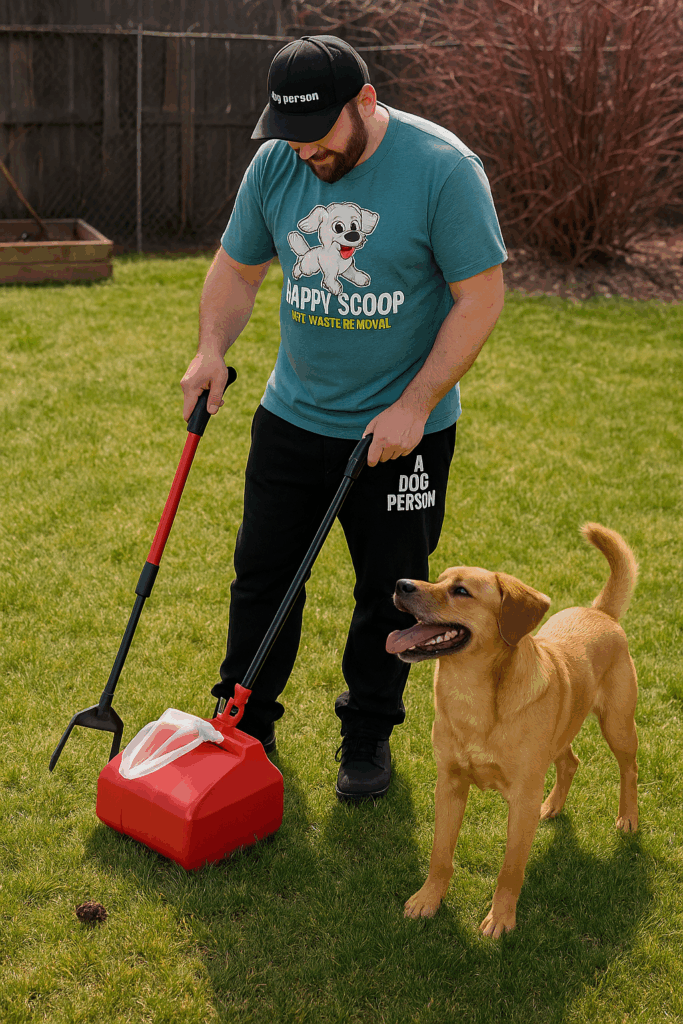
How to Train Your Dog for Cleaner Yard Habits Introduction Learning how to train your dog for cleaner yard habits may be one of the most underrated skills for dog owners. Not only does it keep your yard tidy, but it also protects your lawn, reduces odor, and makes poop scoop duties much easier. Dog owners across Centennial, Parker, Aurora, Highlands Ranch, and the Denver Metro Area can benefit from combining consistent training with professional pet waste services. In this article, you’ll learn practical strategies for guiding your dog’s bathroom habits and keeping your outdoor spaces clean. Step One: Teach Your Dog a Designated Potty Spot One of the best ways to promote cleaner yard habits is by training your dog to use a specific area. Choose a section of the yard that’s easy to access and away from high-traffic play zones. Take your dog to the spot on a leash after meals and playtime. Use a consistent cue like “Go potty” to reinforce the behavior. Praise and reward your dog immediately when they go in the right place. With repetition, your pup will naturally head to their potty spot, making cleanup quicker and more predictable. Happy Scoop clients often request help managing designated zones, ensuring waste is cleared consistently. Step Two: Reinforce Good Behavior with Positive Training Dogs learn best with positive reinforcement. Instead of scolding for accidents, reward the desired behavior: Treats: Small, healthy snacks encourage consistency. Verbal Praise: Dogs love hearing “Good job!” in an upbeat tone. Routine: Regular walks and bathroom breaks establish a schedule. Studies show that dogs trained with positive reinforcement are 15% more likely to maintain long-term habits compared to those trained with punishment. Step Three: Solve Common Yard Waste Problems Even with training, some issues pop up—like dogs preferring random spots or multiple dogs sharing a yard. Ignoring these challenges can quickly lead to odor and lawn damage. Solution: Combine training with professional poop scoop services. Our Happy Scoop blog shares expert tips, and our cleanup team ensures your yard remains fresh, even when your training isn’t perfect yet. FAQ: Cleaner Yard Habits for Dogs How long does it take to train my dog to use a specific spot? Most dogs learn within 2–4 weeks of consistent training, though puppies may take longer due to shorter attention spans. Can older dogs be trained to change their habits? Yes. With patience and positive reinforcement, even senior dogs can adapt to new routines and potty spots. Do poop scoop services help if I’ve trained my dog? Absolutely. Even with well-trained dogs, waste adds up quickly. Professional services keep yards fully clean and healthy. Conclusion Training your dog for cleaner yard habits helps protect your lawn, reduces odors, and makes waste management far easier. Combined with consistent support from a trusted poop scoop service, you’ll create a safe, enjoyable space for your pets and family. Enjoy a cleaner yard—schedule your first cleanup today! PrevPreviousThe Hidden Dangers of Leaving Pet Waste in Your Yard
Uncategorised

The Hidden Dangers of Leaving Pet Waste in Your Yard

The Hidden Dangers of Leaving Pet Waste in Your Yard Introduction The hidden dangers of leaving pet waste in your yard go far beyond a bad smell. Dog poop isn’t fertilizer—it’s toxic to grass, hazardous to pets and people, and harmful to the environment. While many homeowners in Centennial, Parker, Aurora, and Highlands Ranch may delay cleanup, the risks of uncollected waste build quickly. In this article, we’ll cover the health threats, lawn damage, and environmental concerns caused by pet waste—and why scheduling a regular cleanup with Happy Scoop is the best way to protect your yard and family. Health Hazards of Dog Poop in Your Yard Dog poop is a breeding ground for bacteria, viruses, and parasites. E. coli, salmonella, giardia, and roundworms are just a few of the pathogens that thrive in uncollected waste. Pets and children are especially vulnerable, as they play in the yard and can easily come into contact with contaminated soil. By scheduling consistent service with Happy Scoop, you eliminate these risks before they cause harm. Environmental and Lawn Damage from Pet Waste When dog poop is left behind, the problems don’t stop at your fence line. Lawn Damage: Dog poop is acidic, burning grass and leaving brown patches. Pest Attraction: Waste attracts flies and rodents. Water Pollution: Rain washes bacteria into storm drains, contaminating rivers and lakes. Odor Issues: Strong smells linger and make outdoor spaces unpleasant. According to the EPA, two or three days of pet waste from 100 dogs can produce enough bacteria to close a small bay to swimming and shellfishing. The Problem of Ignoring Pet Waste (and the Solution) It’s easy to put off cleanup, especially during Denver’s snowy winters or busy weeks. But ignored pet waste doesn’t just go away—it compounds over time, creating serious problems. The solution is simple: consistent, professional service. The Happy Scoop blog offers advice on yard care, while our team provides hands-on cleanup to keep your space fresh. By removing waste regularly, you’ll prevent long-term damage and protect your family’s health. FAQ: Pet Waste Dangers and Solutions Is dog poop really harmful to humans? Yes. It carries bacteria and parasites that can transfer to people, especially children who play outside. How does pet waste hurt the environment? Rain washes it into storm drains, spreading harmful bacteria into streams, rivers, and lakes. Does dog poop fertilize my lawn? No. Unlike cow manure, dog poop is too acidic and damages grass, leaving brown or dead patches. Conclusion Leaving dog poop in your yard isn’t just unsightly—it’s dangerous. From spreading disease to damaging grass and polluting local water, the risks add up quickly. By keeping your yard clean, you’ll protect your family, pets, and environment. Stay safe and fresh—book your cleanup today! PrevPreviousWhy Regular Poop Scoop Service Keeps Your Pup Healthier

Uncategorised

Why Regular Poop Scoop Service Keeps Your Pup Healthier

Why Regular Poop Scoop Service Keeps Your Pup Healthier Introduction Why regular poop scoop service keeps your pup healthier is simple: dog poop isn’t harmless. It’s filled with bacteria, parasites, and toxins that can make both pets and people sick. Left untreated, pet waste contaminates soil, damages grass, and even spreads illness. For busy families in Centennial, Parker, Aurora, and Highlands Ranch, keeping up with the mess can be overwhelming. This article explains how consistent cleanup prevents health problems, protects your lawn, and ensures your dog enjoys a safe, clean space to play. Regular Poop Scoop Service Protects Against Illness Dog poop may look harmless, but it can carry E. coli, salmonella, and roundworms. When left in your yard, these organisms spread to your pets, your family, and even local water supplies. By hiring a regular service like Happy Scoop, you eliminate dangerous waste before it causes harm. Weekly or bi-weekly cleanups ensure bacteria doesn’t build up, reducing risks of infection and keeping everyone healthier. Benefits of Regular Pet Waste Removal Dog owners often underestimate how quickly pet waste adds up. Here’s why a routine schedule matters: Stops Bacteria Spread: Fresh waste contains millions of bacteria. Protects Grass: Dog poop is acidic and kills grass if not removed. Reduces Parasites: Roundworms and giardia thrive in untreated waste. Controls Odor: Prevents strong smells that linger in your yard. Keeps Paws Clean: Your pup avoids stepping in poop and tracking it indoors. Wow Stat: The CDC reports that dog poop contains pathogens that can survive in soil for over a year if not removed. The Problem of Neglected Dog Poop (and the Solution) Dog owners in the Denver Metro Area face unique challenges: heavy snow, busy schedules, and multi-dog households. When cleanup is delayed, problems multiply—lawns develop brown patches, odors attract pests, and illness risks rise. The solution is scheduling consistent service. Our Happy Scoop blog offers additional tips, while our team handles the dirty work. With professional help, your yard stays fresh, safe, and ready for both two- and four-legged family members. FAQ: Poop Scoop Services and Dog Health How often should I schedule a poop scoop service? Most households benefit from weekly visits. If you have multiple dogs, twice-weekly service ensures your yard stays clean and safe. Can dog poop make my family sick? Yes. Pet waste carries bacteria and parasites that can transfer to humans, especially children playing in the yard. Do services continue during winter in Denver? Yes. Companies like Happy Scoop operate year-round, ensuring snow doesn’t stop your yard from staying clean. Conclusion Regular poop scoop service isn’t just about convenience—it’s about health. By preventing illness, protecting your lawn, and keeping play areas fresh, cleanup services ensure your pup stays happy and safe. Give your dog a healthier yard—book a cleanup today! PrevPrevious4 Common Dog Poop Problems and What They Mean

Uncategorised

4 Common Dog Poop Problems and What They Mean

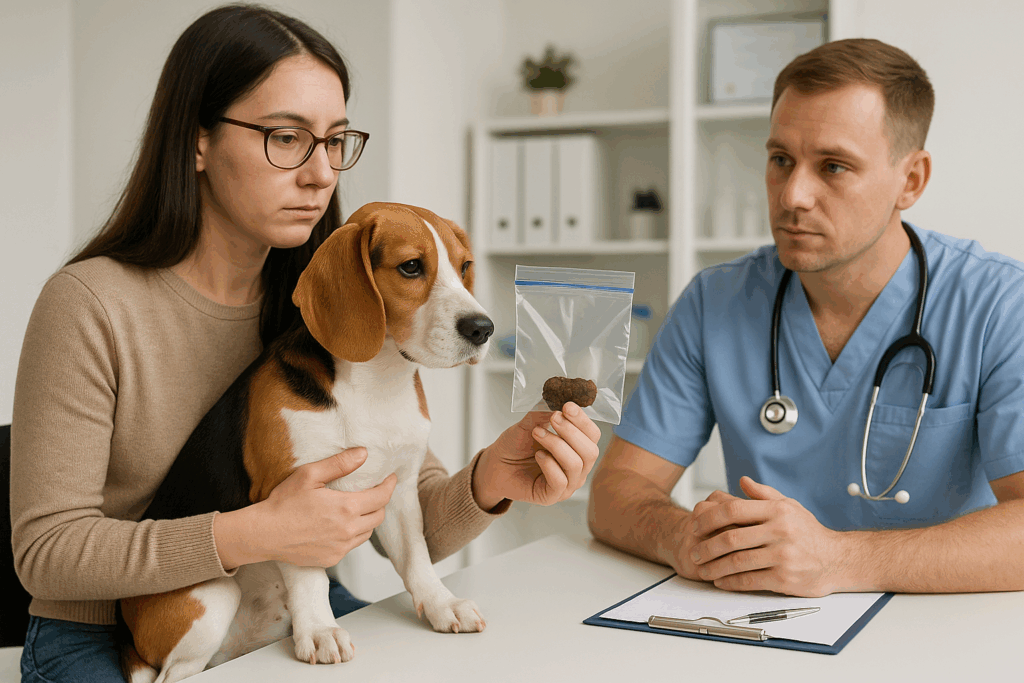
4 Common Dog Poop Problems and What They Mean Introduction Dog poop may not be a glamorous subject, but it’s an important one. The state of your dog’s waste often provides the earliest clues about their health. Whether it’s the color, texture, or frequency, changes in dog poop should not be ignored. For families in Centennial, Parker, Aurora, and Highlands Ranch, monitoring your dog’s poop is easier when your yard is clean. With the help of a professional poop scoop service like Happy Scoop, you’ll be able to spot problems quickly while keeping your outdoor spaces fresh and safe. Loose or Runny Dog Poop Soft or watery dog poop is one of the most common issues. Occasional loose stools can result from diet changes, eating something unusual, or stress. However, persistent diarrhea may signal parasites, food allergies, or gastrointestinal illness. Happy Scoop technicians often notice these changes during cleanups, giving owners a heads-up to contact their vet. Consistency is key—if loose poop lasts longer than two days, it’s time for medical advice. Hard, Dry, or Pellet-Like Poop If your dog’s poop looks like small, hard pellets, dehydration or constipation could be the culprit. This can happen when your pup isn’t drinking enough water, isn’t getting enough fiber, or is struggling with anal gland issues. Tips to help: Provide fresh water throughout the day. Add fiber-rich foods (like pumpkin) to their diet. Check with your vet if constipation persists. Wow Stat: According to the AKC, nearly 20% of vet visits for digestive issues are related to constipation or dehydration. Unusual Colors in Dog Poop The color of dog poop can reveal hidden health concerns. While chocolate-brown is normal, other shades may indicate issues: Green: Eating grass or digestive upset. Yellow/Orange: Possible liver or bile duct issues. Black/Tarry: Internal bleeding—seek emergency care. White Specks: Worms or other parasites. When unusual colors appear more than once, don’t wait—schedule a vet visit. Mucus, Blood, or Greasy Appearance Poop coated in mucus or showing streaks of blood often points to irritation in the colon or intestines. Greasy or shiny poop may mean your dog isn’t properly absorbing fat, a possible sign of pancreatic or gallbladder problems. These issues are not always emergencies, but they should never be ignored. The safest step is to collect a sample and bring it to your vet. When Dog Poop Problems Signal a Bigger Issue Even though many dog poop changes are temporary, consistent problems can signal serious health concerns. By keeping your yard clean with regular poop scoop services, you’ll be more likely to notice changes early. Our Happy Scoop blog shares more tips on dog health, while our cleanup team ensures your yard stays safe, so all you need to do is monitor your pup’s health. FAQ: Dog Poop Problems How often should I check my dog’s poop? Every time you scoop. Even a quick look can help you catch changes in color, texture, or shape before they become serious. Can diet changes affect my dog’s poop? Yes. Sudden diet changes often cause temporary digestive upset. If symptoms persist for more than a couple of days, contact your vet. Should I save a sample for the vet? Absolutely. A fresh sample helps veterinarians test for parasites, bacteria, or other conditions that may explain the changes. Conclusion Your dog’s poop tells a story about their health. From loose stools to unusual colors, paying attention can help you catch problems early. With a clean yard, it’s easier to monitor these changes and keep your pup safe. Protect your pup’s health—schedule a cleanup today! PrevPreviousWhy Your Dog Loves a Clean Yard (And You Will Too)

Uncategorised

Why Your Dog Loves a Clean Yard (And You Will Too)

Why Your Dog Loves a Clean Yard (And You Will Too) Introduction Why your dog loves a clean yard might not surprise you—but the benefits go far beyond appearances. Dogs thrive in spaces that are safe, odor-free, and comfortable to play in. Meanwhile, pet owners enjoy the peace of mind that comes with a healthier, fresher environment. For families in Centennial, Parker, Aurora, and Highlands Ranch, yard cleanliness is especially important. Between changing seasons and busy schedules, managing dog poop can feel like a never-ending task. This article will explain why dogs prefer clean yards, how poop scoop services benefit you, and why Happy Scoop is the Denver Metro Area’s trusted choice. Dogs Love Playtime in a Clean Yard Dogs rely on their yard for play, exercise, and potty breaks. A yard free of dog poop means fewer risks, cleaner paws, and a happier pup. When your yard is cluttered with pet waste, your dog may avoid certain areas—or worse, track bacteria into your home. Regular poop scoop service keeps your yard open for worry-free fetch, zoomies, and relaxation. Happy Scoop provides weekly and bi-weekly cleanup, so your pup always has a safe, clean play zone. Benefits of a Clean Yard for You and Your Dog Keeping your yard clean isn’t just for looks. Here are key reasons both you and your furry friend benefit: Health Protection: Reduces exposure to parasites and bacteria. Better Lawn Care: Prevents brown patches and lawn damage caused by pet waste. Odor Control: Keeps your outdoor space smelling fresh. Stress-Free Living: Saves time and energy on messy chores. Family Safety: Protects kids who play in the yard from harmful germs. Wow Stat: According to the EPA, pet waste is one of the top contributors to water pollution when left in yards, washing into storm drains during rain.   The Problem with Pet Waste (and the Solution) Dog poop is more than an eyesore—it’s harmful. Left untreated, pet waste can: Spread parasites like roundworms and giardia. Damage grass with its high acidity. Create foul odors that attract pests. The solution is consistent cleanup. Our Happy Scoop blog offers insights into pet waste management, while our professional cleanup services ensure your yard is always fresh. With scheduled service, you’ll never have to worry about your dog or family stepping into a problem. FAQ: Clean Yards and Dogs How often should I clean my yard if I have one dog? At least once a week. Multi-dog households benefit from cleanup 2–3 times weekly to maintain a healthy environment. Is dog poop harmful to my lawn? Yes. Unlike fertilizer, dog poop is acidic and damages grass, leading to dead spots and patchy lawns. Do poop scoop services work year-round in Denver? Absolutely. Professional services like Happy Scoop operate in all seasons, including snowy winters. Conclusion Your dog loves a clean yard because it means more freedom, better playtime, and improved health. You’ll appreciate the benefits too—from a fresh lawn to peace of mind. Give your pup the yard they deserve—book your first cleanup today!   PrevPreviousThe Best Yard Cleanup Tips for Dog Owners in Denver Next4 Common Dog Poop Problems and What They MeanNext

Uncategorised

The Best Yard Cleanup Tips for Dog Owners in Denver

The Best Yard Cleanup Tips for Dog Owners in Denver Introduction The best yard cleanup tips for dog owners in Denver go beyond scooping poop. While picking up after your pup is essential, maintaining a clean and healthy lawn takes consistency, the right tools, and sometimes professional help. From Centennial and Parker to Aurora and Highlands Ranch, busy families often struggle to balance daily routines with the responsibility of managing pet waste. This guide will give you practical yard cleanup tips to reduce odor, protect your lawn, and keep your outdoor space safe for both pets and people. Regular Pet Waste Removal: The Foundation of a Clean Yard The most important yard cleanup step for dog owners is timely pet waste removal. Dog poop doesn’t just disappear—it lingers, damages grass, and harbors harmful bacteria. Picking up daily or scheduling weekly service keeps your lawn healthy and your family safe. Happy Scoop makes it simple by offering flexible service plans across the Denver Metro Area. From one-time cleanups to recurring visits, professional poop scoop services remove the hassle so you can focus on enjoying your yard. Regular Pet Waste Removal: The Foundation of a Clean Yard Beyond pet waste removal, here are other ways to keep your yard in top condition: Rinse High-Traffic Areas: Hose down patios and pathways to prevent odor buildup. Aerate Your Lawn: Dog traffic compacts soil; aeration helps grass stay lush. Use Pet-Safe Deodorizers: Neutralize odors without harming pets. Rotate Play Areas: Prevent grass damage by moving toys and activities. Dispose of Waste Properly: Never compost dog poop—it can spread harmful bacteria. Wow Stat: According to the EPA, one dog’s waste left uncollected for just two days can contaminate an entire acre of land with harmful bacteria. Common Problems and Smart Solutions Dog owners often face recurring issues like brown patches, lingering odors, and muddy paw tracks. These problems are usually tied to poor waste management. The solution? Routine cleanup combined with professional services. Our Happy Scoop blog provides additional resources, and our team delivers hands-on help. With consistent yard care, you can prevent long-term lawn damage and enjoy a safe play space for your pets. Before-and-after photo of a yard cleaned of pet waste. FAQ: Yard Cleanup for Dog Owners How often should I clean dog waste from my yard? For one dog, once a week is usually enough. Multi-dog households often need cleanup 2–3 times per week. Can dog poop damage my grass? Yes. Dog waste is acidic and can burn grass, causing brown spots. Regular removal prevents damage. Do professional services handle seasonal challenges like snow? Absolutely. Companies like Happy Scoop work year-round, ensuring Denver yards stay clean in every season. Conclusion Keeping your yard clean as a dog owner doesn’t have to be a constant battle. By combining daily habits with professional support, you’ll protect your lawn, eliminate odors, and create a safe, healthy environment. Enjoy a cleaner yard—book your poop scoop service today!   Ready for a cleaner yard? Book your first cleanup today! PrevPreviousWhat Your Dog’s Poop Says About Their Health Common Problems and Smart Solutions

Uncategorised

What Your Dog’s Poop Says About Their Health

What Your Dog’s Poop Says About Their Health Introduction What your dog’s poop says about their health might surprise you. Dog owners often overlook pet waste, but veterinarians consider it one of the most useful tools for spotting problems early. Whether you live in Centennial, Parker, Aurora, or Highlands Ranch, keeping an eye on your pup’s poop can help you take better care of them. In this article, we’ll break down what different colors, shapes, and textures mean, why regular cleanup matters, and how a poop scoop service like Happy Scoop helps you monitor your pet’s health while keeping your yard clean. Understanding the Color of Dog Poop Dog poop color is often the first clue something may be wrong. A healthy stool should be chocolate brown, but variations can signal changes in diet or health. Brown: Normal, healthy digestion. Green: Could indicate eating grass or digestive upset. Black or tarry: May signal internal bleeding—contact your vet immediately. Yellow or orange: Possible liver or bile issues. White specks: May mean intestinal parasites. Happy Scoop technicians are trained to notice irregularities during cleanups, giving you peace of mind and helping you act quickly. Shape and Texture: What to Look For The shape and consistency of dog poop is just as important as color. Firm and log-shaped: Healthy, balanced diet. Soft or loose: Could indicate dietary sensitivity or infection. Hard pellets: Often a sign of dehydration. Mucus-coated: Possible colon irritation. According to veterinary studies, over 60% of gastrointestinal issues in dogs can first be detected through stool changes. When Dog Poop Signals a Problem (and the Solution) Dog poop cleanup is more than lawn care—it’s an early warning system for your pet’s health. Unfortunately, busy schedules mean many owners miss the signs. That’s where Happy Scoop’s blog and cleanup services come in. By keeping your yard consistently clean, you’ll be able to notice changes right away. If your dog’s waste looks unusual—especially if it persists for more than 24–48 hours—it’s time to call your veterinarian. FAQ: Dog Poop and Health How often should I check my dog’s poop? Every time you scoop. Even quick glances help you catch changes in color, shape, or texture that may require a vet visit. Can diet changes affect my dog’s poop? Yes. Switching food can cause temporary changes, but prolonged diarrhea or unusual colors should be checked by a vet. Should I save a sample for the vet? Absolutely. Bringing a fresh sample helps veterinarians quickly test for parasites or other conditions. Conclusion Your dog’s poop is more than just a mess to scoop—it’s a window into their health. By watching for changes in color, shape, and consistency, you can protect your pet and catch issues early. Keep your yard clean—schedule a cleanup today! PrevPreviousHow Often Should You Clean Dog Waste from Your Yard?

Uncategorised

How Often Should You Clean Dog Waste from Your Yard?

How Often Should You Clean Dog Waste from Your Yard? Introduction How often should you clean dog waste from your yard? The answer isn’t always simple, but it’s one of the most important questions for dog owners. Dog poop left behind isn’t just unsightly—it’s a health hazard for pets, kids, and even your lawn. In the Denver Metro Area, homeowners in Centennial, Parker, and Aurora are discovering the benefits of hiring a professional poop scoop service. In this guide, we’ll cover how often to clean, why consistency matters, and how Happy Scoop makes it simple. Why Frequency Matters for Dog Waste Cleanup Dog poop doesn’t break down quickly—in fact, it can take over a year for waste to fully decompose. In the meantime, it spreads harmful bacteria and parasites, putting your family and pets at risk. Professional poop scoop services keep you on schedule. Happy Scoop offers regular visits tailored to your household’s needs, ensuring you never fall behind. Even if you only have one dog, weekly cleanups prevent buildup and keep your yard healthy.   How Often Should You Clean Dog Poop? The frequency depends on your situation. Here’s a quick guide: One dog household: Clean at least once per week. Two or more dogs: Clean 2–3 times per week. Small yards: Pick up more often since waste is concentrated. Busy households: Professional poop scoop services save time and stress. According to the CDC, dog poop can contain more than 20 million bacteria per gram—making regular cleanup critical. The Problems of Skipping Pet Waste Cleanup (and Solutions) Leaving dog poop in your yard creates more problems than you think: Health Risks: Poop carries parasites and bacteria that can spread to pets and humans. Lawn Damage: Dog waste is acidic and can burn grass. Smell & Appearance: Nobody wants guests to see or smell a messy yard. Solution: Scheduling routine service with Happy Scoop’s blog resources ensures you stay informed while our team handles the dirty work. With professional help, your yard is safe, fresh, and guest-ready. Technician in uniform cleaning a backyard with a dog nearby. FAQ: Dog Waste Cleanup Services Can I just mow over dog poop? No. Mowing spreads bacteria and parasites across your yard. Proper removal is the only safe option. What happens if I don’t clean up often enough? Waste accumulates, causing foul odors, lawn damage, and higher health risks for your family and pets. Do professional services work year-round? Yes. Poop scoop companies like Happy Scoop service yards in all seasons—even during Denver’s snowy winters. Dog waste cleanup should never be overlooked. Whether you have one pup or a whole pack, consistency is the key to a safe, healthy yard. Weekly or twice-weekly cleanups ensure your lawn stays beautiful, your family protected, and your pets happy. Keep your yard clean—schedule your first cleanup today! PrevPreviousDog Poop Cleanup Service-5 Reasons to Hire One/Happy Scoop NextWhat Your Dog’s Poop Says About Their HealthNext

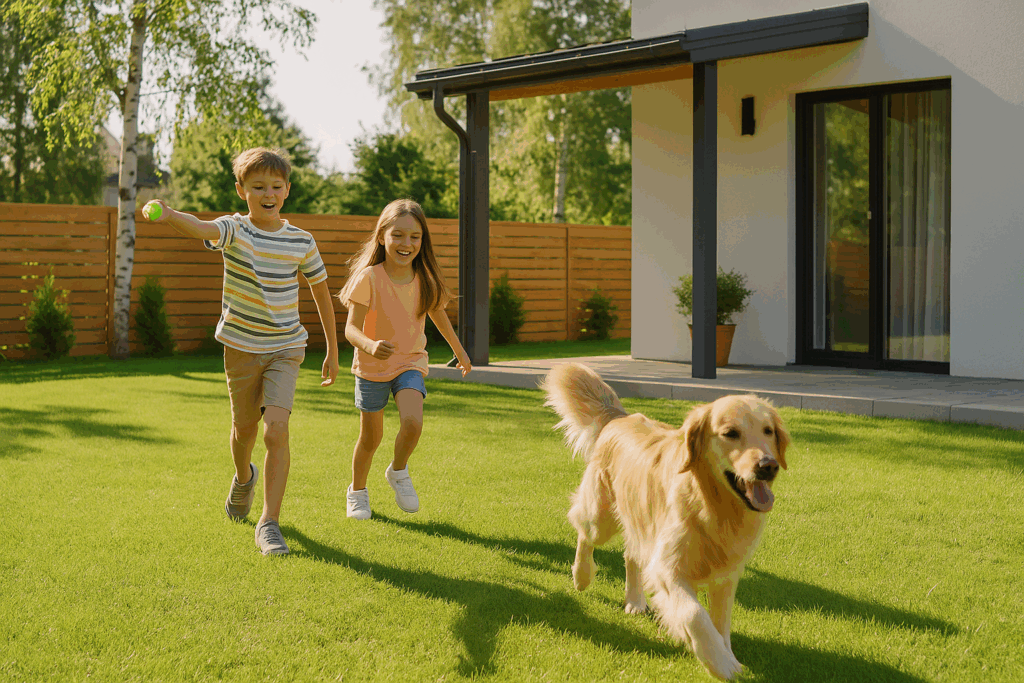
children playing fetch in backyard after dog poop cleanup service Denver
Uncategorised

Dog Poop Cleanup Service-5 Reasons to Hire One/Happy Scoop

5 Reasons to Hire One/Happy Scoop Dog poop cleanup isn’t just about convenience—it’s about protecting your family, pets, and yard. Whether you live in Centennial, Parker, or Aurora, CO, hiring a professional pet waste removal service like Happy Scoop saves time, keeps your lawn fresh, and reduces health risks. Here are five powerful reasons Denver Metro Area dog owners turn to professionals for pet waste cleanup. Hiring a dog poop cleanup service may not be glamorous, but it’s something every Denver dog owner knows is essential Leaving pet waste behind isn’t just unsightly—it’s unhealthy for your pets, your family, and your lawn. That’s why many families in the Denver Metro Area, including Centennial, Parker, and Aurora, are turning to professional poop scoop services. In this article, we’ll explore five key reasons to hire a dog poop cleanup service, from saving time to improving health and curb appeal. By the end, you’ll see why Happy Scoop makes life easier, safer, and a whole lot cleaner. 1. Save Time and Eliminate Stress with a Poop Scoop Service Between work, family, and daily errands, scooping dog poop often falls to the bottom of the to-do list. A professional pet waste removal service takes that burden off your shoulders, giving you more free time to enjoy with your pets and loved ones. A dog poop cleanup service takes that burden off your shoulders. Happy Scoop offers flexible service schedules—weekly, bi-weekly, or custom plans—so your yard is always ready for play and relaxation. No more last-minute rush to clean before guests arrive or, for example, stepping into a surprise pile. 2. Protect Health and Safety from Pet Waste Dog poop isn’t just gross—it’s a health hazard. Pet waste can carry harmful bacteria and parasites, such as E. coli, roundworms, and giardia. In addition, the EPA classifies dog waste as a pollutant, not fertilizer. According to the CDC, dog waste can spread harmful bacteria and parasites like E. coli and roundworms. Regular cleaning drastically reduces contamination risks. The EPA classifies dog waste as a pollutant, just like oil or toxic chemicals. The EPA even classifies dog waste as a pollutant, not fertilizer. A yard cleaned regularly reduces a dog’s risk of illness by 62% compared to one left untreated. By hiring a poop scoop removal service, you’re not just keeping your lawn neat—you’re protecting your family and community. Dog poop cleanup isn’t just about convenience—it’s about protecting your family, pets, and yard. Whether you live in Centennial, Parker, or Aurora, CO, hiring a professional pet waste removal service like Happy Scoop saves time, keeps your lawn fresh, and reduces health risks. Here are five powerful reasons Denver Metro Area dog owners turn to professionals for pet waste cleanup. Hiring a dog poop cleanup service may not be glamorous, but it’s something every Denver dog owner knows is essential Leaving pet waste behind isn’t just unsightly—it’s unhealthy for your pets, your family, and your lawn. That’s why many families in the Denver Metro Area, including Centennial, Parker, and Aurora, are turning to professional poop scoop services. In this article, we’ll explore five key reasons to hire a dog poop cleanup service, from saving time to improving health and curb appeal. By the end, you’ll see why Happy Scoop makes life easier, safer, and a whole lot cleaner. 1. Save Time and Eliminate Stress with a Poop Scoop Service Between work, family, and daily errands, scooping dog poop often falls to the bottom of the to-do list. A professional pet waste removal service takes that burden off your shoulders, giving you more free time to enjoy with your pets and loved ones. A dog poop cleanup service takes that burden off your shoulders. Happy Scoop offers flexible service schedules—weekly, bi-weekly, or custom plans—so your yard is always ready for play and relaxation. No more last-minute rush to clean before guests arrive or, for example, stepping into a surprise pile. 2. Protect Health and Safety from Pet Waste Dog poop isn’t just gross—it’s a health hazard. Pet waste can carry harmful bacteria and parasites, such as E. coli, roundworms, and giardia. In addition, the EPA classifies dog waste as a pollutant, not fertilizer. According to the CDC, dog waste can spread harmful bacteria and parasites like E. coli and roundworms. Regular cleaning drastically reduces contamination risks. The EPA classifies dog waste as a pollutant, just like oil or toxic chemicals. The EPA even classifies dog waste as a pollutant, not fertilizer. A yard cleaned regularly reduces a dog’s risk of illness by 62% compared to one left untreated. By hiring a poop scoop removal service, you’re not just keeping your lawn neat—you’re protecting your family and community. A clean, healthy lawn stays vibrant with regular pet waste removal services. 3. Improve Lawn Health and Curb Appeal Pet waste isn’t fertilizer. On the contrary, it’s acidic and can burn grass, leaving brown patches and damage across your yard. To keep your lawn healthy in South Metro Denver Area, an dog poop cleanup service is essential. At Happy Scoop, we know that removing dog poop quickly keeps your yard vibrant and visitor-friendly. Whether you’re hosting a barbecue or selling your home, a poop-free lawn adds value and appeal. 4. Affordable Service That Fits Every Lifestyle Hiring a dog poop cleanup service is more affordable than most pet owners realize. Typical Pricing Options Weekly Service: Best for single-dog households Twice Weekly Service: Ideal for multi-dog families One-Time Cleanup: Great for moving, parties, or seasonal refresh When you factor in the time saved, the peace of mind, and the improved lawn health, the value is undeniable. Therefore, many Denver families see it as an easy choice. In the Denver Metro Area, including Aurora, affordable service options make it easy to find a plan that works for your family. 5. Support a Local, Trusted Business In summary, hiring a dog poop cleanup service isn’t just about convenience—it’s about creating a healthier, safer yard—you’re supporting a local business rooted in the Denver Metro community.

Scroll to Top