4 Common Dog Poop Problems and What They Mean
Introduction
Dog poop may not be a glamorous subject, but it’s an important one. The state of your dog’s waste often provides the earliest clues about their health. Whether it’s the color, texture, or frequency, changes in dog poop should not be ignored.
For families in Centennial, Parker, Aurora, and Highlands Ranch, monitoring your dog’s poop is easier when your yard is clean. With the help of a professional poop scoop service like Happy Scoop, you’ll be able to spot problems quickly while keeping your outdoor spaces fresh and safe.
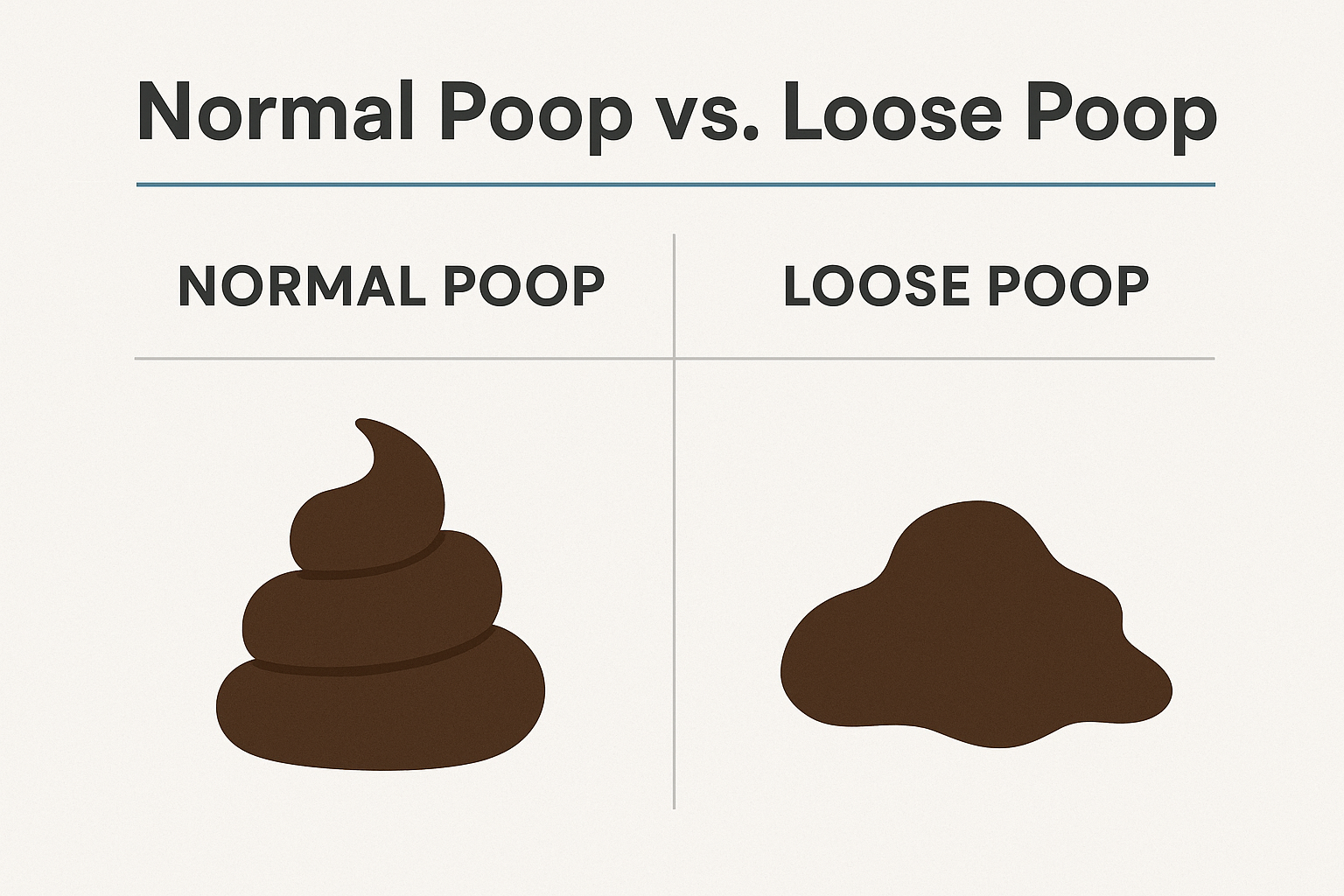
- Loose or Runny Dog Poop
Soft or watery dog poop is one of the most common issues. Occasional loose stools can result from diet changes, eating something unusual, or stress. However, persistent diarrhea may signal parasites, food allergies, or gastrointestinal illness.
Happy Scoop technicians often notice these changes during cleanups, giving owners a heads-up to contact their vet. Consistency is key—if loose poop lasts longer than two days, it’s time for medical advice.
- Hard, Dry, or Pellet-Like Poop
If your dog’s poop looks like small, hard pellets, dehydration or constipation could be the culprit. This can happen when your pup isn’t drinking enough water, isn’t getting enough fiber, or is struggling with anal gland issues.
Tips to help:
- Provide fresh water throughout the day.
- Add fiber-rich foods (like pumpkin) to their diet.
- Check with your vet if constipation persists.
Wow Stat: According to the AKC, nearly 20% of vet visits for digestive issues are related to constipation or dehydration.
- Unusual Colors in Dog Poop
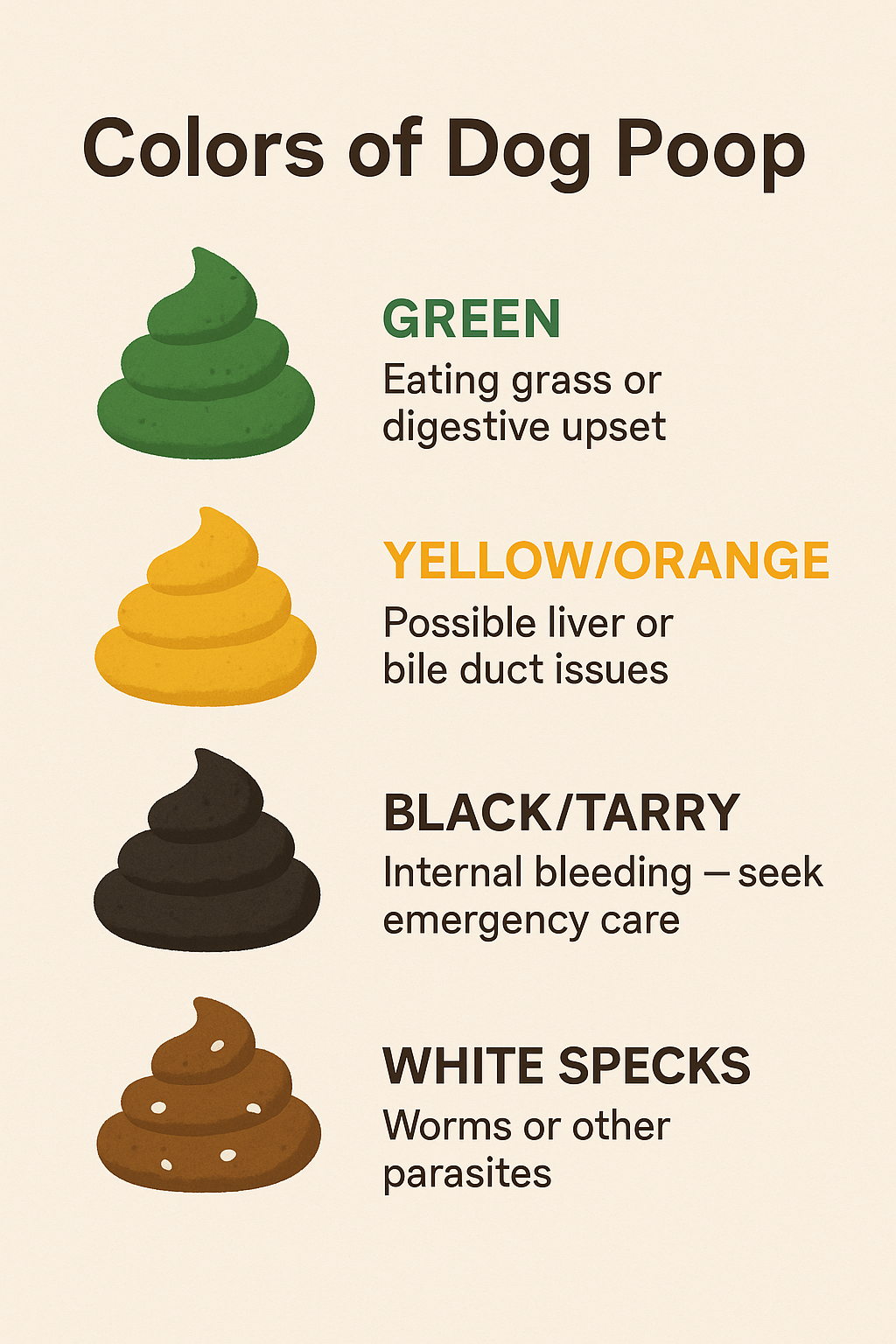
The color of dog poop can reveal hidden health concerns. While chocolate-brown is normal, other shades may indicate issues:
- Green: Eating grass or digestive upset.
- Yellow/Orange: Possible liver or bile duct issues.
- Black/Tarry: Internal bleeding—seek emergency care.
- White Specks: Worms or other parasites.
When unusual colors appear more than once, don’t wait—schedule a vet visit.
- Mucus, Blood, or Greasy Appearance
Poop coated in mucus or showing streaks of blood often points to irritation in the colon or intestines. Greasy or shiny poop may mean your dog isn’t properly absorbing fat, a possible sign of pancreatic or gallbladder problems.
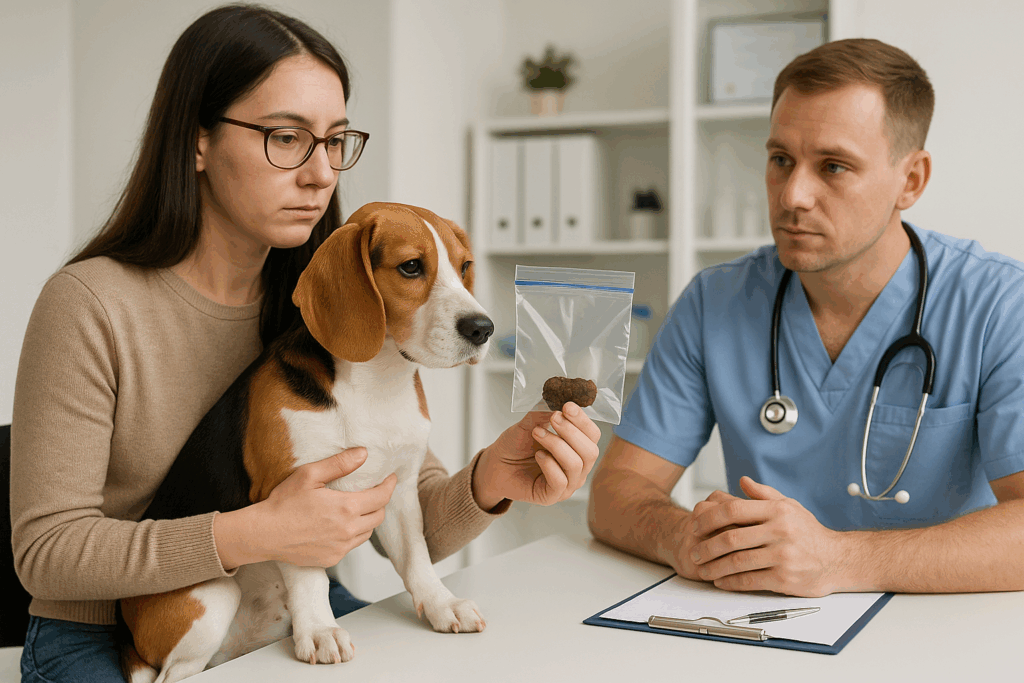
These issues are not always emergencies, but they should never be ignored. The safest step is to collect a sample and bring it to your vet.
When Dog Poop Problems Signal a Bigger Issue
Even though many dog poop changes are temporary, consistent problems can signal serious health concerns. By keeping your yard clean with regular poop scoop services, you’ll be more likely to notice changes early.
Our Happy Scoop blog shares more tips on dog health, while our cleanup team ensures your yard stays safe, so all you need to do is monitor your pup’s health.
FAQ: Dog Poop Problems
How often should I check my dog’s poop?
Can diet changes affect my dog’s poop?
Should I save a sample for the vet?
Conclusion
Your dog’s poop tells a story about their health. From loose stools to unusual colors, paying attention can help you catch problems early. With a clean yard, it’s easier to monitor these changes and keep your pup safe.
Protect your pup’s health—schedule a cleanup today!
